
Home / Gear
GearThe Complete Gear Guide for Field Service Pros
Every tool, boot and piece of safety equipment a field service business buys, organized by trade and by what it does. HVAC, plumbing, electrical, roofing, pest control, landscaping, cleaning and more, in one place. We sell nothing, so the only job of this page is to help you pick the right gear.

Affiliate disclosure: As an Amazon Associate we earn from qualifying purchases. Product images and links go to Amazon US listings and cost you nothing extra. Prices and availability change, so check the current price and specs on Amazon before you buy.
THE GEAR MAP
Start with your trade or the type of gear
The guide is organized two ways. Trade pillars collect everything one kind of technician needs. Category pillars cover gear every trade buys, like boots, safety equipment and lighting. Pick a card to jump to that pillar.
Gear by trade
Gear by category
How to use this gear guide
Good gear is a mix of the right spec, the right standard and the right fit for your trade. This page groups products by job so you can compare like with like, and every product type opens with what to check before you spend money. Click any product image or name to see the current listing on Amazon. Start with your trade, then fill in boots, safety gear, lighting and storage, which every trade needs.
Running a crew, not just a toolbox? Gear is only half of the picture. Scheduling, quoting and invoicing software saves as many hours as any tool on this page, and we compare those platforms in depth in our Jobber review and our Jobber vs Housecall Pro comparison.
WHAT TO CHECK BEFORE YOU BUY
Four things that matter more than the brand name
Gear by trade
HVAC TECHNICIAN TOOLS
HVAC Technician Tools
HVAC work lives and dies on measurement: pressures, vacuum, amps and temperature. Start with a manifold set, a vacuum pump with a micron gauge, a leak detector and a recovery machine, then add the hand tools that save time inside cabinets.
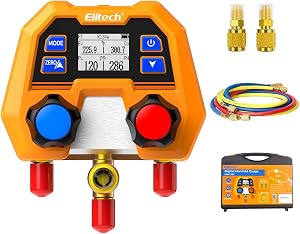
Manifold gauge sets
Match the gauge set to the refrigerants you service. Newer A2L systems (R-32, R-454B) need gauges and hoses rated for them, so read the refrigerant list and pressure rating before you buy.



Vacuum pumps
Pick CFM to the job size. Small residential systems are fine with a few CFM, bigger or commercial work is faster with more. Two-stage pumps pull deeper, and a micron gauge is how you confirm the evacuation.


Micron gauges
A micron gauge shows how deep the vacuum is, which a manifold gauge cannot. Look for a stable sensor and a fitting that matches your hoses; some wireless models log readings to a phone.


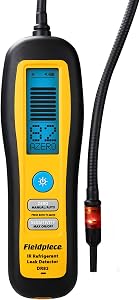
Refrigerant leak detectors
Heated diode sensors are sensitive, but the sensor wears and needs replacing. Infrared sensors generally last longer. Look for adjustable sensitivity and a flexible probe.



Refrigerant recovery machines
Check which refrigerants the unit is rated for, including A2L refrigerants, and its recovery speed. Handling regulated refrigerants in the US requires EPA Section 608 certification.


Nut drivers and impact sets
Quarter inch and five sixteenths hex cover most panel and sheet metal screws on HVAC equipment. Magnetic tips save you from dropped screws inside the unit.


PLUMBER TOOLS
Plumber Tools
Plumbers carry fewer gadgets than HVAC techs but lean harder on a handful of tools: wrenches, cutters, a joining method and something to clear and see inside pipes.
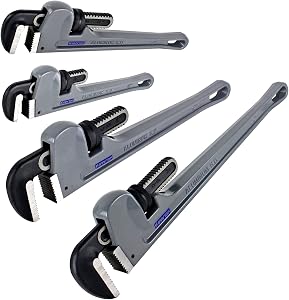
Pipe wrench sets
Aluminum wrenches are lighter to carry all day, cast iron takes more abuse. Two sizes, around 14 and 18 inch, cover most residential work.




Tubing cutters
Close-quarters cutters earn their place in tight spaces behind water heaters and inside air handlers. Keep spare cutter wheels in the bag.


PEX crimp and cinch tool kits
Crimp or cinch depends on the fittings your supplier stocks, so match the tool to the ring type before buying. Check which pipe sizes the kit covers.


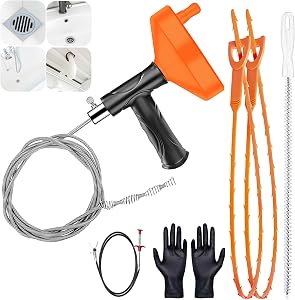
Drain augers and snakes
A cordless auger or a drill-driven cable handles sink and tub clogs. Main lines usually call for a bigger machine, so treat these as first-response tools.


Toilet augers
A closet auger has a bend and a protective sleeve that keeps porcelain from scratching. Three feet suits most clogs, with longer models for stubborn ones.


Torch kits for soldering and brazing
A trigger-start head on a hose is easier through long soldering sessions. Propane and MAPP-style fuels burn at different temperatures, so check which one the kit is built for.


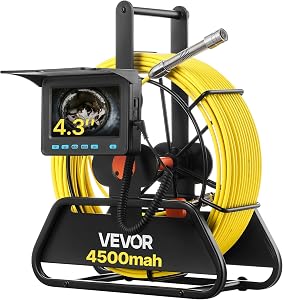
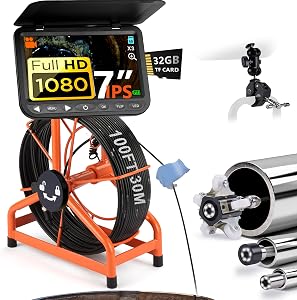
Sewer and pipe inspection cameras
Compare cable length, camera head diameter, screen size and whether it has a self-leveling image or a locator for pinpointing the problem underground.


ELECTRICIAN TOOLS
Electrician Tools
Electrical gear is about safety first and speed second. Rated testers, insulated tools and a dependable voltage check come before anything fancy.
Voltage testers and outlet testers
A non-contact pen is a quick first check, never the last one. Confirm a circuit is dead with a properly rated meter and follow your lockout/tagout procedure.


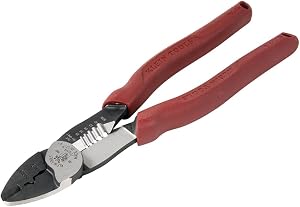
Wire strippers and cutters
Check the gauge range and whether the tool handles solid and stranded wire. Strip, cut and crimp in one tool is a common pro choice.



Lineman pliers
Look for hardened cutting edges, a knurled gripping surface and comfortable handles. Insulated handles never replace de-energizing the circuit.


Fish tapes
Steel tape is strong and affordable. Fiberglass or other nonconductive tape is the safer choice anywhere near live conductors. Match the length to your typical runs.


Insulated screwdrivers
Look for a 1000V insulation rating (IEC 60900) and interchangeable tips if you want a lighter pouch. Inspect the insulation for nicks regularly and retire damaged tools.


Conduit benders
Match the bender head to the conduit type and trade size (EMT or rigid). Check the degree markings and the handle length for the size you bend.


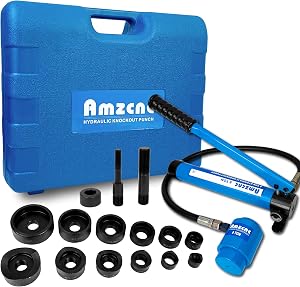
Knockout punch sets
Ratchet and hydraulic drivers punch clean holes in electrical enclosures. Check the size range and that the dies match the conduit you install.



ROOFING TOOLS
Roofing Tools
Roofing gear splits into the tools that move the job along and the equipment that keeps people alive. Never cheap out on the second group.
Roofing hammers and shingler's hatchets
A shingler's hatchet carries a gauge for shingle exposure and a milled face. Weight changes fatigue over a full day on the roof.


Roofing nailers
Coil nailers drive roofing nails fast. Check the nail length range, depth adjustment and air requirements, and follow the maker's safety instructions.


Fall protection kits
Fall protection only works with the right anchor, a correct fit and training. OSHA's construction rules generally call for protection at six feet or more. Check weight capacity, certification and that the kit includes every component your setup needs.





PEST CONTROL EQUIPMENT
Pest Control Equipment
Sprayers and dusters are the daily workhorses for pest control. The right choice depends on tank size, how long you spray per stop and what you apply. The product label always decides how it is used.
Pump sprayers
Check the seal material against what you spray, and keep separate sprayers for herbicides and insecticides to avoid cross-contamination. Always follow the chemical label.


Pest control dusters
Bellows and pump dusters place dust into voids and cracks. Look for a long reach and a tip that suits your product, and always follow the product label.


LANDSCAPING EQUIPMENT
Landscaping Equipment
Landscaping crews live on their handheld power equipment. Battery platforms are making crews quieter, while gas still wins on run time for long days.
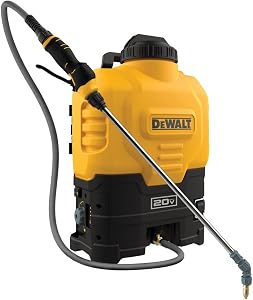
Battery backpack sprayers
Compare tank size, runtime, pressure and whether the battery is shared with your other tools. They save a lot of arm fatigue on large properties.



String trimmers
Gas gives long run time, while battery platforms are quieter and lower maintenance. Compare shaft type, head style and whether the battery is shared with your other tools.


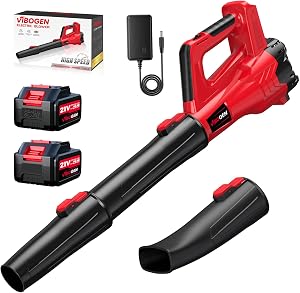
Leaf blowers
Read airflow (CFM) and air speed (MPH) together, then battery run time and weight. Check local noise rules before buying a gas model.


CLEANING BUSINESS EQUIPMENT
Cleaning Business Equipment
Cleaning crews win on speed and consistency. A commercial backpack vacuum is usually the first equipment upgrade that shows up in labor hours.
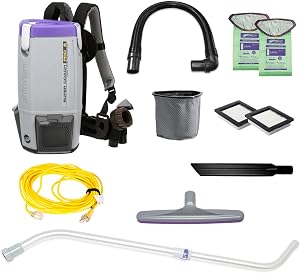
Commercial backpack vacuums
Weight, filtration (HEPA if you serve allergy-sensitive clients), cord length and harness comfort decide whether crews actually use it.


Cleaning caddies
A divided caddy with a sturdy handle keeps a crew organized, and wearable versions free both hands. Check that it holds your bottles upright.


Microfiber cloths
Weight and weave decide absorbency and streaking. Bulk packs lower cost, and color-coding by area helps prevent cross-contamination.


Pressure washers
Read PSI and GPM together, since they set the cleaning power. Electric models are quieter and lighter, while gas models suit long jobs far from outlets.


HANDYMAN TOOLS
Handyman Tools
Handyman work covers everything, so the toolkit starts wide and gets specific as the jobs repeat. Begin with a solid set, then upgrade what you use daily.
Handyman tool sets
Sets are a good way to start, but the quality of the pieces varies. Check the drive sizes and the case, and plan to upgrade the tools you use daily.


Utility knives
Look for a blade lock, easy blade changes and a grip that suits your hand. Store blades retracted and dispose of used blades safely.


Caulk guns
A smooth rod with a good thrust ratio gives control, and a drip-free release saves cleanup. Check that it fits the tube sizes you use.


Levels
Magnetic torpedo levels stick to pipes and steel. Look for clear vials and a true edge; a longer level is more accurate over distance.


Step ladders
Match the duty rating to your weight plus tools, and choose fiberglass near electricity. Inspect the ladder before each use and respect the labeled maximum standing height.


APPLIANCE REPAIR TOOLS
Appliance Repair Tools
Appliance repair is heavy lifting as much as diagnosis. The right dolly protects your back and the customer's floors.
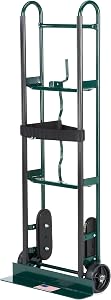
Appliance dollies
Check the load rating, the strap or ratchet system and the wheel size for stairs. Convertible two-wheel and four-wheel models help in tight hallways.




POOL SERVICE EQUIPMENT
Pool Service Equipment
Pool routes run on water testing and reach. Accurate test kits and a solid telescopic pole are the daily basics.
Pool test kits
Drop-based liquid kits are usually more precise than strips. Check what the kit measures (chlorine, pH, alkalinity, hardness, stabilizer) and the reagent shelf life.


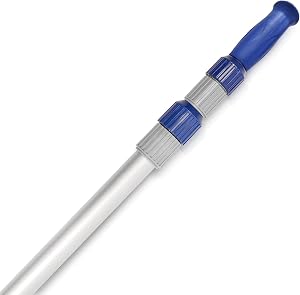
Telescopic pool poles
Look for a lock that holds under load, enough reach for the middle of your pools and standard fittings for nets and brushes.



GARAGE DOOR TOOLS
Garage Door Tools
Garage door springs are one of the most dangerous items in home service. Use the correct tools and leave spring work to trained technicians.
Garage door winding bars
Torsion springs store dangerous amounts of energy. Winding bars are the proper tool, and screwdrivers are never a substitute. Match the bar diameter to the winding cone holes and leave spring work to trained technicians.


SOLAR INSTALLER TOOLS
Solar Installer Tools
Solar installs rely on dependable connections. Use a crimper matched to the connector and wire gauge, and keep connectors from one maker on a string.
Solar MC4 crimpers
Match the crimper to the connector and wire gauge. A ratcheting crimper gives a repeatable crimp, and a kit with spanners helps with assembly.


LOCKSMITH TOOLS
Locksmith Tools
Locksmith work has its own specialty tools. Some states license locksmiths, so confirm the requirements where you operate.
Broken key extractors
Thin hooked extractors pull a broken key from the cylinder without damaging the pins. Pick a kit with a range of profiles.


Gear by category
WORK BOOTS
Work Boots
Footwear is the most underrated gear decision in the trades. Boots, socks and insoles work as a system, and getting one wrong makes the other two feel worse.
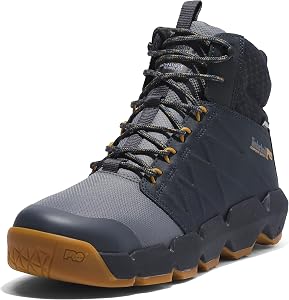
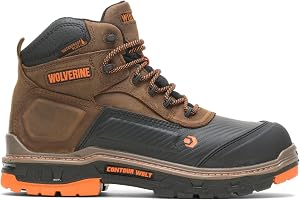
Work boots
Check the safety toe rating (ASTM F2413), the electrical hazard (EH) rating if you work around live circuits, waterproofing and outsole grip. Weight and break-in time matter for all-day wear.


Slip-resistant work shoes
Slip resistance comes from the outsole and the surface it meets, so wet or oily floors need soles built for them. Look for slip-resistance testing on the product page, and check fit before you commit to a pair.


Work socks
Merino and wool blends manage sweat and odor better than cotton. Pick the cushion level to suit the boot fit, not the other way around.


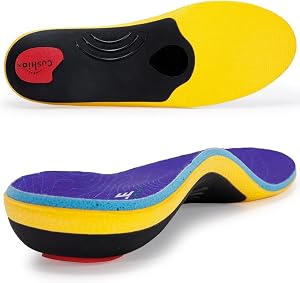
Insoles for work boots
Match arch height to your foot. Insoles wear out, so replace them regularly instead of waiting for pain.



SAFETY GEAR
Safety Gear
Personal protective equipment is where specs and standards matter most. Look for the marking on the product, not just the claim in the title.
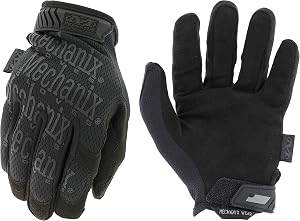
Work gloves
Pick by task: thin touchscreen gloves for tablets and fine work, padded gloves for impact, cut-rated gloves for sheet metal and glass. Sizing is a common reason for returns.




Cut resistant gloves
Look at the ANSI/ISEA 105 cut level (A1 to A9) and match it to your hazard. Cut resistance is not puncture resistance, so read what each glove is rated for.


Safety glasses
Look for the ANSI Z87.1 marking. Anti-fog coatings help in humid attics and when you move between cold and warm spaces.


Hard hats
ANSI/ISEA Z89.1 sets the type and class. Type II adds side impact protection and Class E covers electrical work up to 20,000 volts. A ratchet suspension fits better.


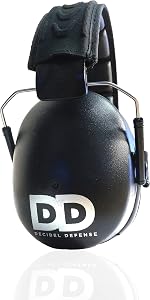
Hearing protection
The NRR on the package shows the noise reduction rating. Choose enough reduction for the noise you face without cutting off sounds you need to hear. Employers have hearing protection duties above set exposure levels.


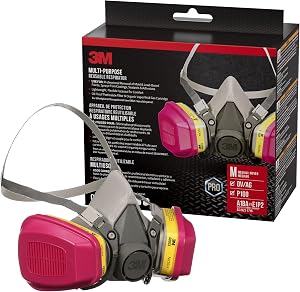
Respirators and cartridges
Reusable half masks are NIOSH-approved, but only with the right cartridge for the job (organic vapor or particulate) and a proper fit. Follow your employer's respiratory program where one is required.


Knee pads
Gel pads cushion hard floors, foam pads are lighter. Strap design and slip resistance on stairs matter more than they look.


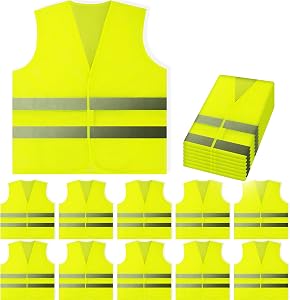
High-visibility vests
ANSI/ISEA 107 defines the class and type. Choose the class that suits your road speed and traffic, and make sure the vest fits over your outerwear.



First aid kits for trucks and jobsites
Look for ANSI/ISEA Z308.1 on the box and restock after every use. A truck kit and a jobsite kit are different needs, so size the kit to your crew.


TEST AND MEASUREMENT TOOLS
Test and Measurement Tools
These tools cross trades. A clamp meter works for HVAC and electrical, a thermal camera finds problems in both, and every trade measures and levels.
Clamp meters
True RMS and temperature are the features HVAC techs use most. Microamp range and inrush current are worth having for flame sensors and motor start checks.


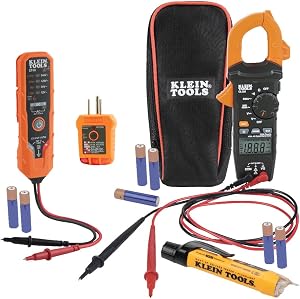

Multimeters and test kits
For electrical work, check the CAT safety rating (CAT III or CAT IV for service panels), true RMS and auto-ranging. Combo kits with a clamp save a slot in the bag.


Thermal imaging cameras
Infrared resolution is the number to compare, for example 240 x 240 against 512 x 384. More resolution shows smaller hot spots from further away.


Laser levels
Green beams are easier to see indoors than red. Self-leveling, a pulse mode for outdoor use with a detector, and a rechargeable battery are the useful features.


Stud finders
Treat a stud finder as a guide, not proof. Live wire detection helps, but it never replaces turning the power off.


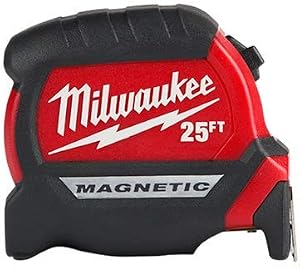
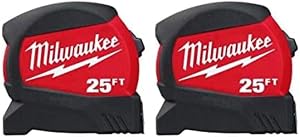
Tape measures
Standout, meaning how far the blade reaches before it collapses, and a magnetic tip matter more than the brand. A wide blade is easier to use alone.


POWER TOOLS
Power Tools
A cordless drill and impact driver pair does more of a technician's daily work than any other power tool. The battery platform you pick decides what you buy for the next ten years.
Cordless drill and impact driver combo kits
Pick the battery platform first, because that choice locks in your future tools. Brushless motors and the amp-hour rating of the included batteries decide runtime and cost per tool.


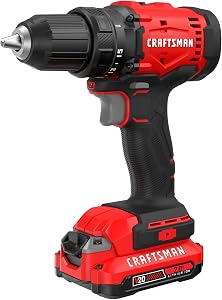
Cordless drills
Choose the battery platform first, because it decides which tools you buy next. Compare chuck size, torque and brushless versus brushed motors.



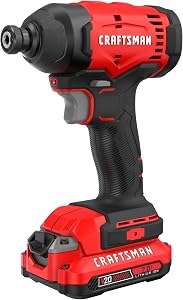
Impact drivers
Impact drivers sink fasteners with less wrist strain than a drill. Look at the hex chuck, torque and whether the battery is shared with your other tools.



Reciprocating saws
Stroke length, variable speed and tool-free blade changes matter most. Brushless motors run cooler, and the blade fit decides what you can cut.


TOOL STORAGE
Tool Storage
How you carry tools affects how fast you find them and how your back feels at the end of the week. Match the storage to how you arrive at jobs: van, truck or on foot.
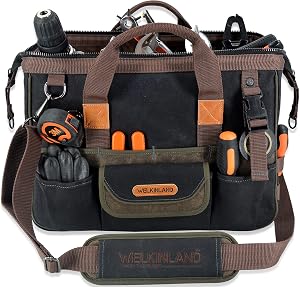
Tool bags
Pocket count and a rigid base make daily use easier. Open-top totes are fast, closed bags protect against weather. Check the weight when full, not empty.




Tool backpacks
Pocket count and a rigid base matter. Padded straps help if you climb ladders with tools, and carrying the weight on both shoulders is easier on your back.


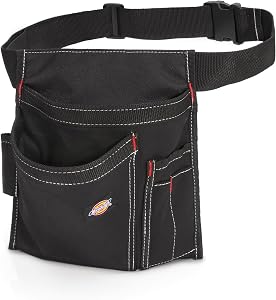
Tool belts and pouches
Choose by what you reach for most. Keep the weight balanced, and remember a padded belt spreads load better than a thin one.




Rolling tool boxes and organizers
Modular stackable systems keep the van organized. Check load rating, latch quality and wheel size for stairs and gravel.


Small parts organizers
Removable bins and clear lids help you find fasteners fast. Check the latch strength so compartments stay shut in transit.


WORK LIGHTS
Work Lights
Crawlspaces, attics, panel rooms and basements are dark. Good lighting speeds up diagnosis and cuts mistakes.
Headlamps
Lumens are only half the story. Check runtime on the mode you will actually use, USB-C charging, and whether it has a low-glare mode for working near other people.

Rechargeable flashlights
Check lumens on the mode you will actually use, plus runtime, USB-C charging and impact rating. A small pocket light often beats a big one for daily carry.


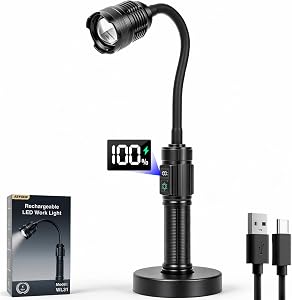
Rechargeable work lights
Magnets and hooks let a work light stand in as a second pair of hands. Check runtime at full brightness and the IP rating if it will see wet crawlspaces.


Magnetic work lights
A strong magnet and a hook let the light hold itself where you need it. Check runtime and how the magnet is built.


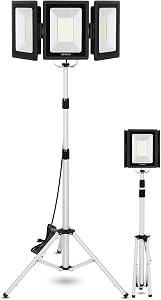
Tripod work lights
Compare lumens, the number of heads, stand height and weather rating. Confirm runtime at full brightness for rechargeable models.



WORK CLOTHING
Work Clothing
Work clothes take a beating: kneeling, climbing and carrying all day. Fabric, fit and pocket layout matter more than the logo.
Work pants
Look for stretch or gusseted panels, reinforced knees and a pocket layout that suits your tools. Fabric weight changes all-day comfort more than the label does.


Women's work pants
Fit is the whole story here: look for pants cut on women's patterns, with a rise and hip that suit you, stretch fabric and real pockets.


Work shirts
Long sleeves with a UPF rating help on roof and yard jobs. If your job needs arc-rated or flame-resistant clothing, only products labeled and rated for that qualify.


Work shorts
Ripstop or canvas fabric, a gusseted crotch and cargo pockets that stay put hold up best. Shorts leave your legs exposed, so keep them to jobs where that is safe.


VEHICLE AND VAN GEAR
Vehicle and Van Gear
The van is the shop. Shelving, racks, jump starters and a phone mount keep the day moving and the tools secured.
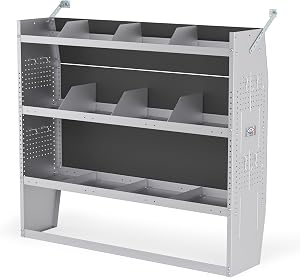
Van shelving
Check the van model and roof height, the shelf load rating and how the unit anchors. Measure the cargo area and the door opening before you order.



Ladder racks for trucks
Match the rack to your bed or cab and the load rating to the ladders you carry. Strap ladders down every trip and check your state's rules on overhanging loads.


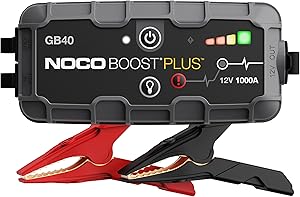
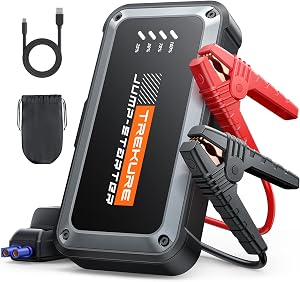
Portable jump starters
Rated engine size (gas or diesel) matters more than peak amps on the box. Look for reverse-polarity protection, and recharge the unit every few months so it is ready.


Portable tire inflators
Look at maximum PSI, an auto-shutoff digital gauge and whether it runs off 12V or a battery. Light truck and van tires need more capacity than car tires, so check the rated tire size.


Dash cams for work vehicles
Check loop recording, storage card capacity, parking mode and whether a rear camera is included. Recording laws and windshield mounting rules vary by state.


Truck and van phone mounts
Choose by where it mounts and what it holds. Some states restrict windshield mounts, so check your local rules. Long-arm dash mounts suit large trucks.


JOBSITE TECH
Jobsite Tech
The phone and tablet are the office for a field tech. Rugged hardware, printers and a card reader keep quoting, invoicing and payment on the job.
Rugged tablets
Compare the IP rating for water and dust, the drop rating, outdoor screen brightness and battery life. Confirm it runs your job-management app before you buy.


Receipt and invoice printers
Thermal printers need no ink. Check the connection type (Bluetooth for mobile, USB for the office), the paper width and that your app supports the model.


Card readers
Tap and chip readers are the fastest at the door. Processing fees and hardware prices change, so confirm them on the provider's own site before you choose.


Power banks
Look for USB-C Power Delivery output and enough capacity to cover a full day of phone and tablet use. A built-in cable is one less thing to lose.


Bluetooth thermal label printers
These 4×6 thermal printers print shipping labels, parts bin labels and equipment tags with no ink. Check supported label sizes and the app before buying.


BUSINESS SUPPLIES
Business Supplies
Even in a software world, a field business still hands over paper, posts signs and puts a name on the truck.
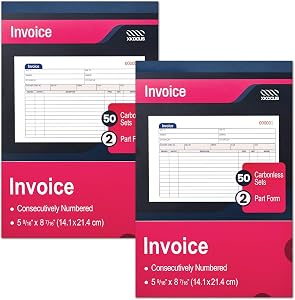
Invoice books
Carbonless duplicate copies let you leave a record on site. Check the page size, numbering and whether the lines fit your typical job descriptions.


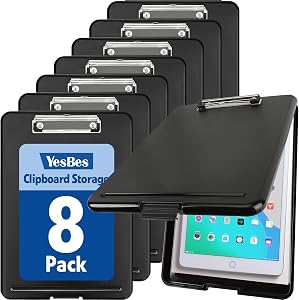
Storage clipboards
A box-style clipboard keeps blank forms, a pen and permits together and flat. Aluminum and hard plastic survive a truck better than thin boards.


Vehicle magnets
Magnets need flat steel panels and a clean, dry surface, and should be removed and wiped regularly. Check your local rules on commercial vehicle markings.


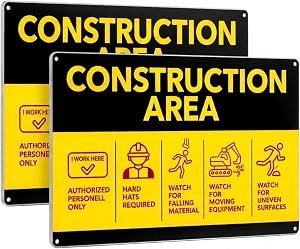
Job site safety signs
Signs must be visible, legible and match the hazard. Check OSHA and local requirements for what your site needs, since a sign never replaces the control it points to.



GEAR AND SOFTWARE
Equip the crew, then run the business
New HVAC, plumbing or electrical company? Tools get techs on the road. Software keeps them booked, quoted and paid. Browse our field service software reviews, then read the Housecall Pro vs ServiceTitan comparison to see how pricing changes with crew size. Losing money to missed follow-ups and slow invoicing? Try the revenue leak calculator.
FAQ
Field service gear FAQ
What gear does a field service technician need first?
Start with safety and measurement for your trade. For HVAC that means a manifold set, a clamp meter, a leak detector and a vacuum pump. For plumbing it means pipe wrenches, a tubing cutter and a joining kit. For electrical it means a rated multimeter, a voltage tester and insulated tools. Add boots, gloves, eye protection and a good light to all of them.
Is it better to buy a tool kit or individual tools?
Kits are cheaper per tool and good for starting out, but they often include pieces you never use. Individual tools let you spend more on the instruments you rely on daily, like meters and gauges, and less on the rest. A common approach is to buy a core kit and upgrade the tools that get used the most.
Do you make money if I buy through your links?
Yes. As an Amazon Associate we earn from qualifying purchases, at no extra cost to you. FieldServicesHQ sells no products of its own, and the link is the same price you would see going to Amazon directly.
How are the products on this page chosen?
The page lists real Amazon US listings grouped by what each tool does, with buying criteria for every category so you can compare on specs and standards, not hype. Availability, price and stock change, so always confirm the specs and certifications on the product page before you buy.
What is the difference between steel toe and composite toe work boots?
Both can meet the same ASTM F2413 impact and compression ratings. Steel is usually thinner and cheaper, while composite is lighter, does not conduct heat or cold as well, and does not set off metal detectors. Composite toes are often preferred for electrical work and cold weather.
Should I buy a multimeter or a clamp meter?
Many pros own both. A clamp meter measures current without breaking the circuit and is the faster field tool for HVAC and motor checks. A multimeter is better for fine voltage, resistance and continuity work. Combo kits cover both at a fair price.
Does my meter need a CAT rating?
If you test electrical systems, yes. CAT ratings describe the transient voltages a meter can safely handle at different points in a building. Service panels and feeders sit at CAT III or CAT IV, so choose a meter rated for the highest category you will work on.
Do I need certification to buy refrigerant recovery equipment?
Recovery machines are sold openly, but handling regulated refrigerants in the US requires EPA Section 608 certification. Confirm your certification type and local rules before you buy equipment or refrigerant.
How do I choose a cordless tool battery platform?
Pick the platform before the tool. Batteries and chargers are the expensive part, and sharing them across a drill, impact driver, saw and light is what makes a cordless kit cheaper over time. Check that the platform covers the specialty tools your trade needs.
What else does a new service business need besides tools?
Software to schedule jobs, send quotes, take payments and invoice customers. Our software reviews and comparisons cover the options, and the Jobber review and the Jobber vs Housecall Pro comparison are a good place to start if you run a small crew.
As an Amazon Associate we earn from qualifying purchases. Product listings, images, prices and availability are controlled by Amazon and can change at any time. Always confirm specifications, ratings and certifications on the product page and follow your employer’s safety rules and local regulations.